European Camper Conversion Atelier

BUILD THE CAMPERVAN AROUND THE WAY YOU TRAVEL.

A genuinely successful camper conversion isn’t just about dropping in a rock-and-roll bed and hanging two plywood cupboards. It’s an exercise in balancing spatial architecture, real-world payload, daily cooking ergonomics, self-sufficient off-grid power, and the gritty realities of navigating narrow Alpine passes or humid Atlantic coastlines. We treat your vehicle as a living habitat that drives.

5 Disciplines Interconnected systems approach
Pan-European Four-season touring focus
Weight First Payload-conscious cabinetry
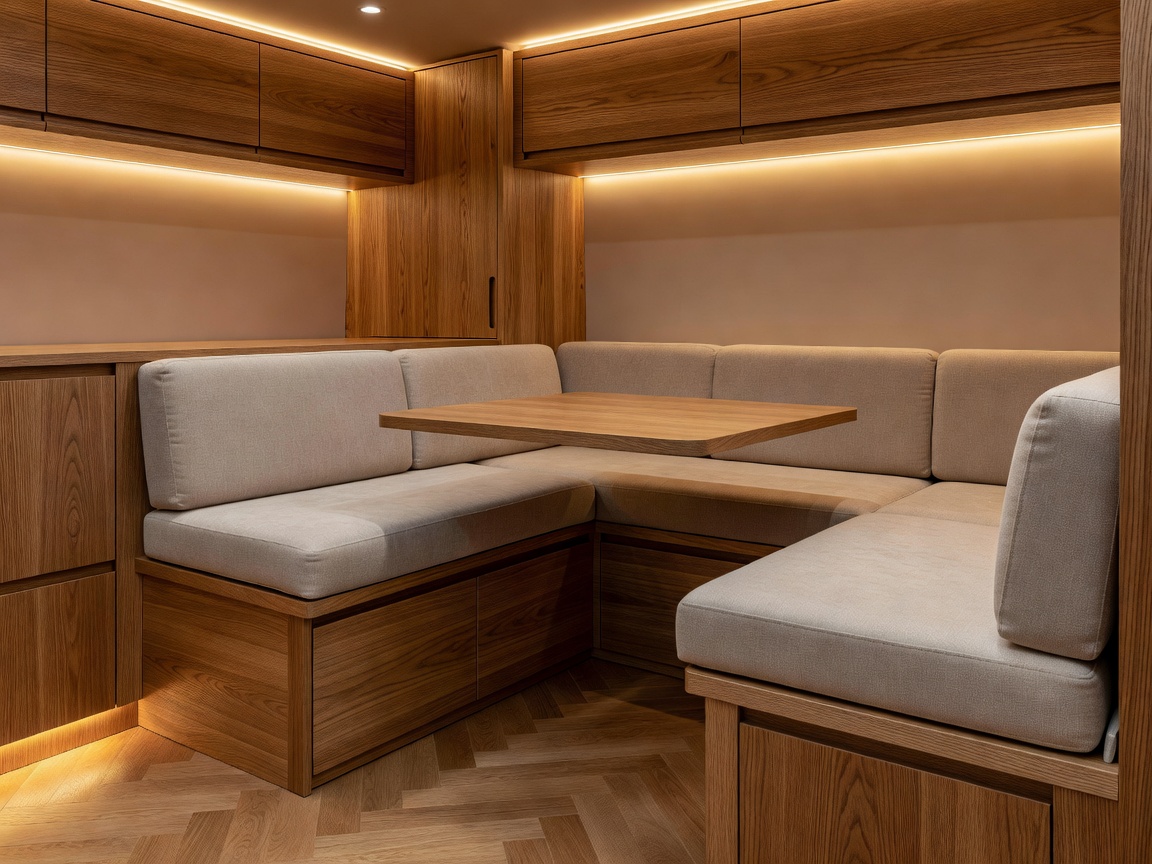
Architectural campervan living area featuring warm oak trim, modular bench seating, and soft interior lighting
Conversion Lifecycle

The Cohesive Van Architecture Process

Rushing into lining walls before running your conduit is the fastest route to expensive rework. We approach every conversion through five structured milestones.

01
PLAN

Assess wheelbase, occupant payload, driving habits, standing height, and seasonal route intentions.

02
DESIGN

Model traffic flow, day-to-night bedding transitions, weight distribution, and primary sightlines.

03
BUILD

Structure insulation, sound deadening, subflooring, structural battens, and foundational wiring harnesses.

04
EQUIP

Integrate charging sources, freshwater plumbing, secure refrigeration, induction or gas units, and ventilation.

05
TOUR

Conduct shakedown tests, calibrate battery monitors, pack balanced gear, and hit European touring highways.

Core Engineering Knowledge

Explore the Conversion Guides

Detailed technical considerations, layout trade-offs, and practical design decisions written for the European long-distance traveller.

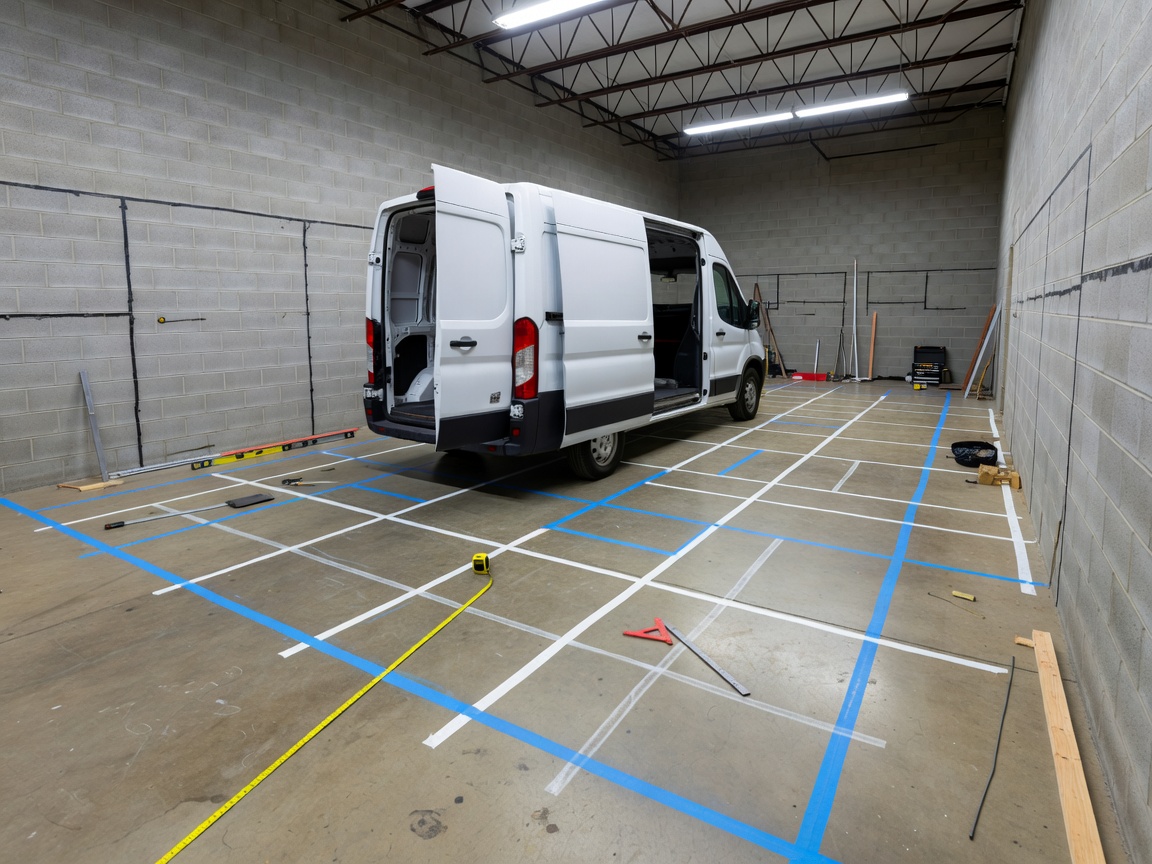
Base panel van parked in a workshop during preliminary floor layout and wall frame marking
Vehicle Architecture 12 min read

Campervan Conversion Planning

Before cutting a single hole in the chassis, you need to reckon with vehicle categories, gross vehicle weight margins, wheelbase trade-offs, and insulation sequencing. The best layout always starts with how you intend to park, sleep, and travel.
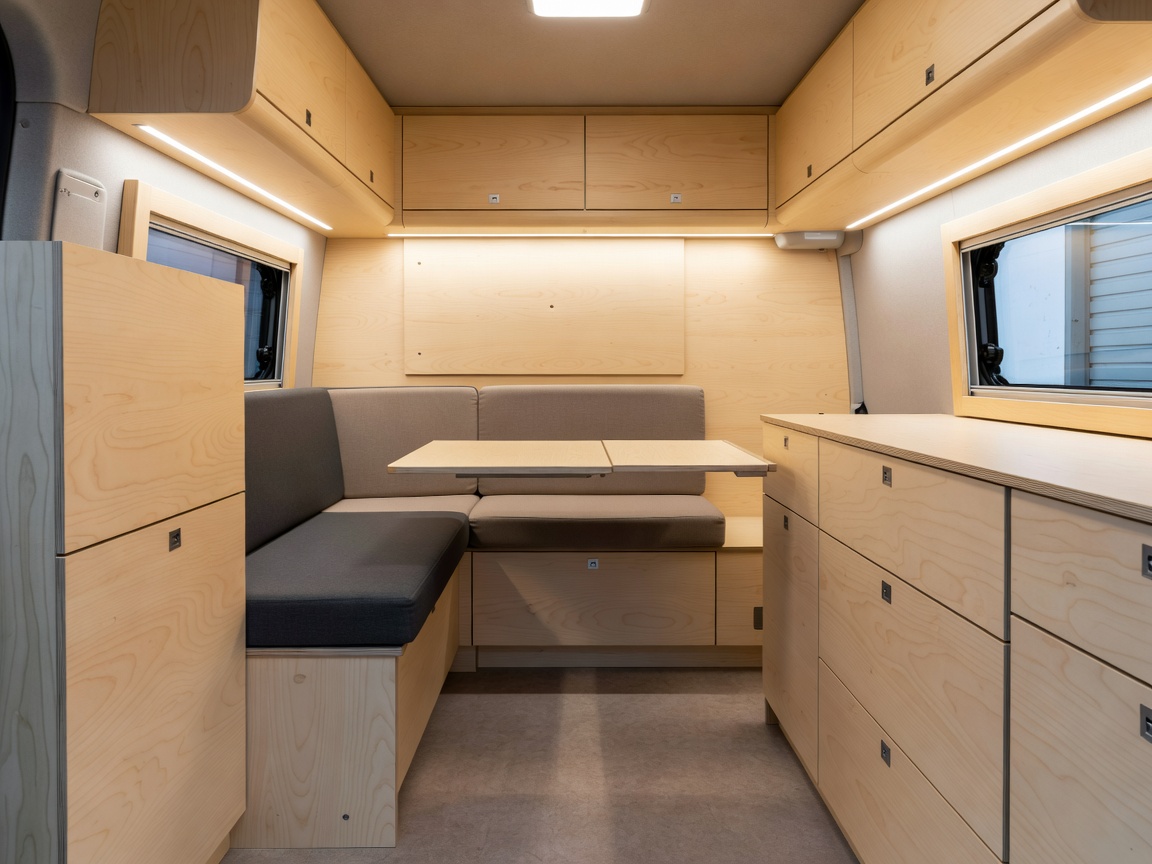
Modern camper interior featuring natural birch plywood cabinetry, recessed lighting, and dinette seating
Interior Living 14 min read

Campervan Interior Design

Balancing fixed bed comfort against open daylight and daytime floor space requires architectural discipline. Discover durable lightweight materials, acoustic wall linings, modular seating, and lighting schemes that turn tight metal boxes into calm retreats.

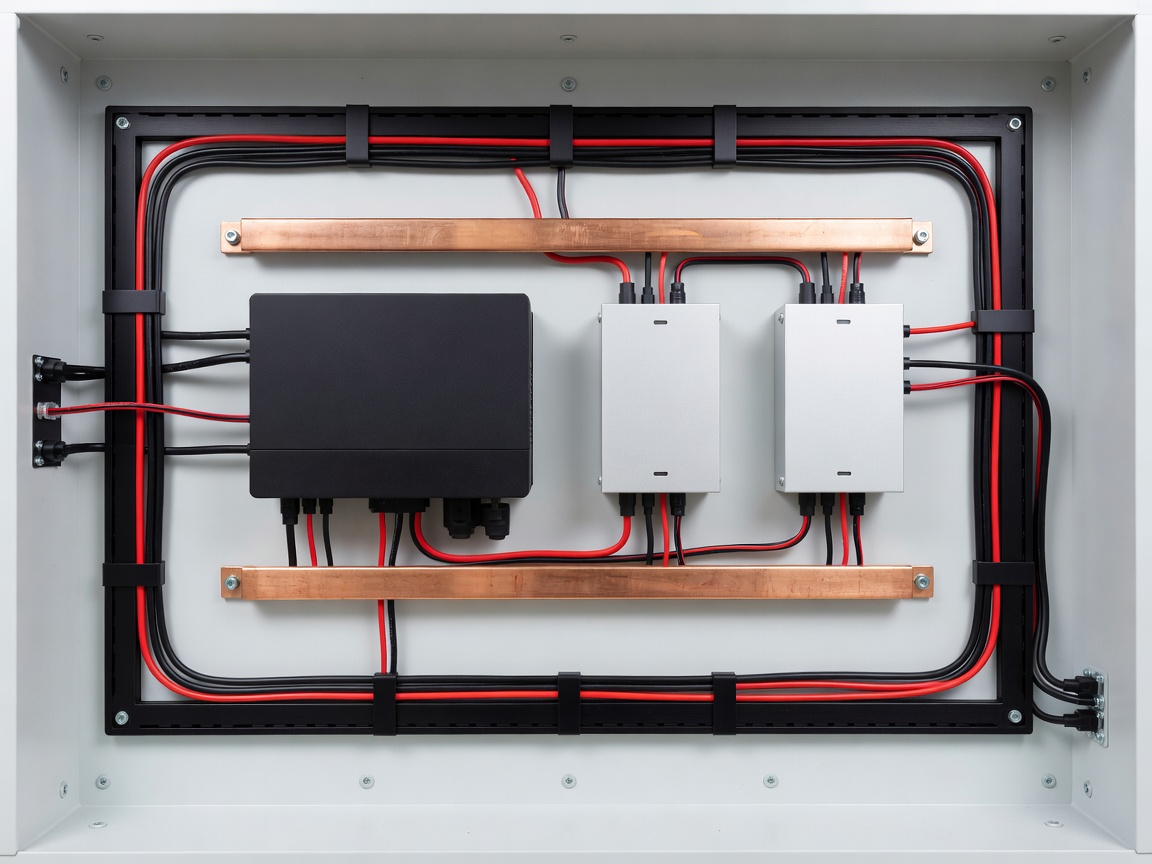
Neatly wired off-grid electrical board with busbars, inverter, DC-DC chargers, and clean cable trunking
Energy Systems 15 min read

Campervan Electrical and Power

Eliminate guess-work from your energy budget. We look at sizing auxiliary battery banks, calculating realistic amp-hour draws, pairing split-charge alternators with rooftop solar, and building fail-safe 12V and 230V distribution setups.

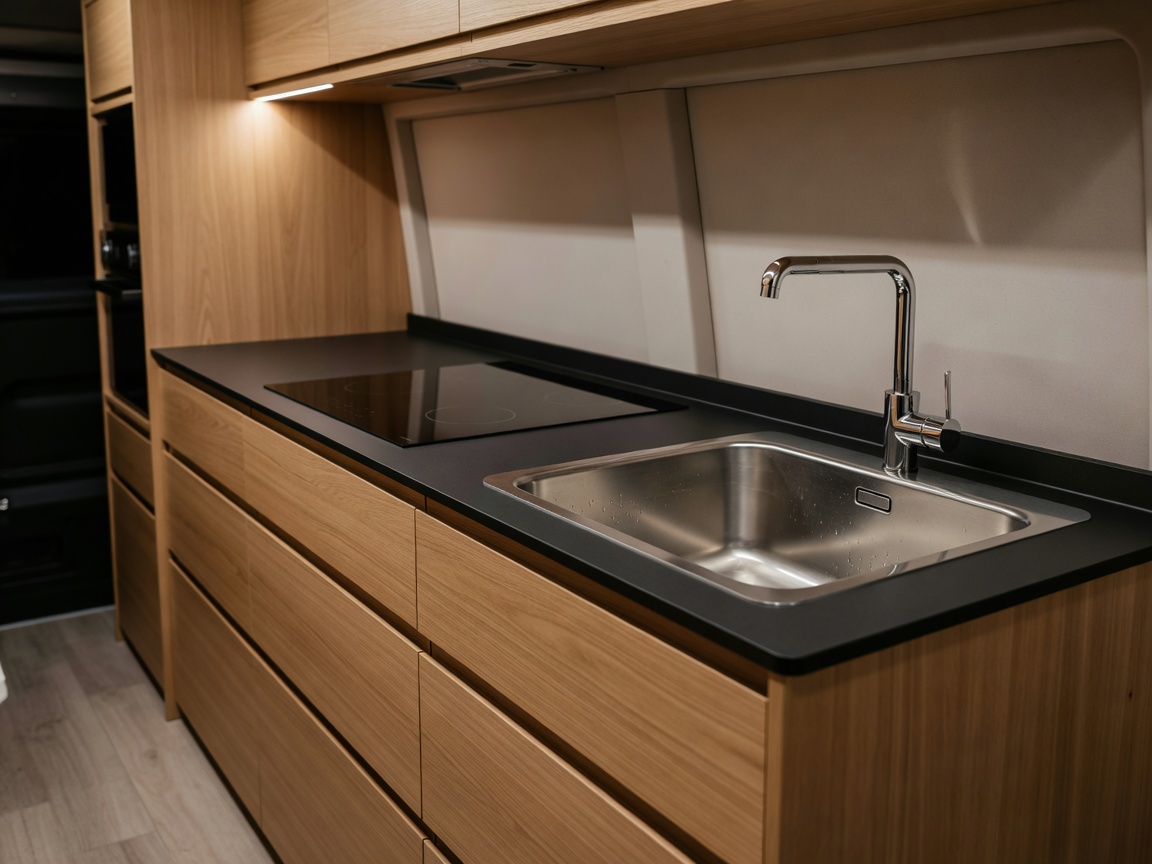
Compact galley kitchen in a converted campervan with induction hob, deep stainless sink, and soft-close timber drawers
Galley & Storage 11 min read

Campervan Storage and Kitchens

Smart galley ergonomics mean you can prepare a proper meal without dismantling your bed. Learn how to place compressor fridges, balance clean and waste water storage over the axles, and design rear gear garages for bikes and outdoor gear.

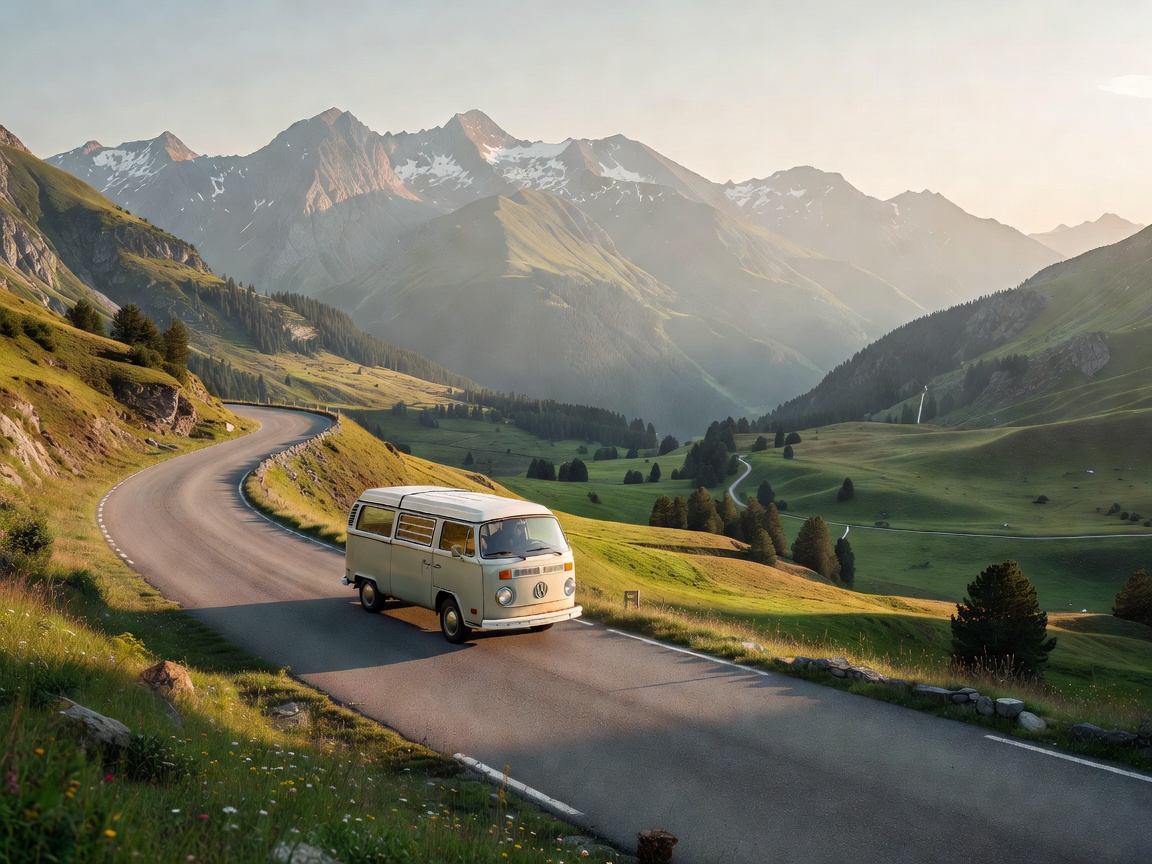
Campervan cruising down an open European mountain pass overlooking green valleys and distant peaks
Expedition Readiness 13 min read

Campervan Touring Preparation

A completed build isn’t just finished furniture; it’s a self-contained touring machine. Master pre-departure mechanical inspection checklists, tyre rating requirements, cross-border paperwork, and emergency repair kit essentials.

Foundational Philosophy

The Five Pillars of a Lasting Build

When your campervan feels intuitive on a rainy day in the Dolomites, it is because these five fundamentals were prioritized from day one.

1. Spatial Efficiency

Every centimetre must justify its weight and presence. We design around dual-purpose zones where day seating transforms cleanly into night rest without tedious rearrangement.

2. Weight & Storage

Keeping heavy cargo low and between the axles preserves handling dynamics, braking distances, and vehicle stability in crosswinds across open motorways.

3. Power Independence

True autonomy means never stressing about running a fridge or heating fan in cold weather. Balanced charging systems keep your leisure bank healthy without constant hookup hunt.

4. Thermal Comfort

Proper vapor barriers, non-hygroscopic insulation, and active ventilation eliminate condensation rot while maintaining cozy cabin warmth through sub-zero Alpine nights.

5. Long-Term Serviceability

Never bury a plumbing union or fuse block behind permanently bonded wood paneling. Systems must remain inspectable, serviceable, and upgradeable over the vehicle’s lifetime.

Ready to Discuss Your Van?

Whether you are sourcing a blank panel van or troubleshooting an electrical retrofit, our technical studio is here to help.

Get in Touch
Practical Studio Advice

Have specific technical questions about your layout or electrical sizing?

From calculating off-grid amp-hour demands to choosing between pop-top roofs and high-roof panel vans, share your travel scope with us.

Reach Our Conversion Team