1. Cooking Energy: Liquid Gas vs. All-Electric Induction
The cooking energy debate divides modern van builders into two primary philosophies, each with distinctive design implications:
LPG Gas (Propane / Butane)
Liquid petroleum gas delivers tremendous thermal density without placing heavy demands on your battery bank. However, European gas bottles use differing thread fittings across borders (French, German, and UK connectors all differ), and regulations strictly require sealed metal gas drop-out lockers vented through the vehicle floor, alongside annual safety certification in many European jurisdictions.
Single or Dual-Zone Induction
An induction glass hob eliminates naked flames, produces zero internal combustion humidity, cleans with a single wipe, and lets you dispense with gas lockers entirely. However, it requires a robust lithium battery bank (typically 300Ah+) paired with a high-capacity pure sine wave inverter and generous solar or alternator recharging capacity.
2. Refrigeration: Why 12V Compressor Units Rule
Old-school 3-way absorption fridges (running on 12V, 230V, and gas) require external wall vents cut into the chassis and struggle to maintain safe cold temperatures whenever parked on slight inclines or during hot Mediterranean summers.
Modern 12V direct-current compressor fridges operate flawlessly at inclinations up to 30 degrees, pull minimal power once down to temperature, and require no exterior chassis cutouts. You can select between upright front-opening models (easy access, but cold air spills out upon opening) or top-loading chest fridges (optimum thermal retention, but requiring drawer slides or counter-lifting access).
3. Fresh & Grey Water Storage Architecture
A 70-to-100-litre freshwater tank provides roughly three to five days of conservative off-grid living for two adults. But water is heavy: 100 litres adds 100 kg to your gross vehicle weight.
Mount fresh water tanks internally whenever possible—either over the rear wheel arches or beneath the fixed bed platform. This protects your water supply from freezing during winter mountain touring. Grey waste water tanks, being less critical if frozen temporarily, can be mounted externally under the chassis to preserve precious interior locker volume, fitted with a manual ball valve or 12V electric dump valve.
Baffled Tanks & Driving Dynamics
A half-empty 100-litre water tank with an unbaffled interior creates severe fluid sloshing when braking or taking roundabouts, shifting vehicle balance suddenly. Always choose tanks fitted with internal anti-surge baffle walls.
4. Storage Hierarchy & Accessibility
A place for everything, and everything locked in place. The cardinal rule of camper cabinetry is that frequently used items must be accessible without moving other gear:
- The Daily Reach Zone: Keep coffee, cooking utensils, headlamps, and charging cables in upper eye-level lockers or the top galley drawer.
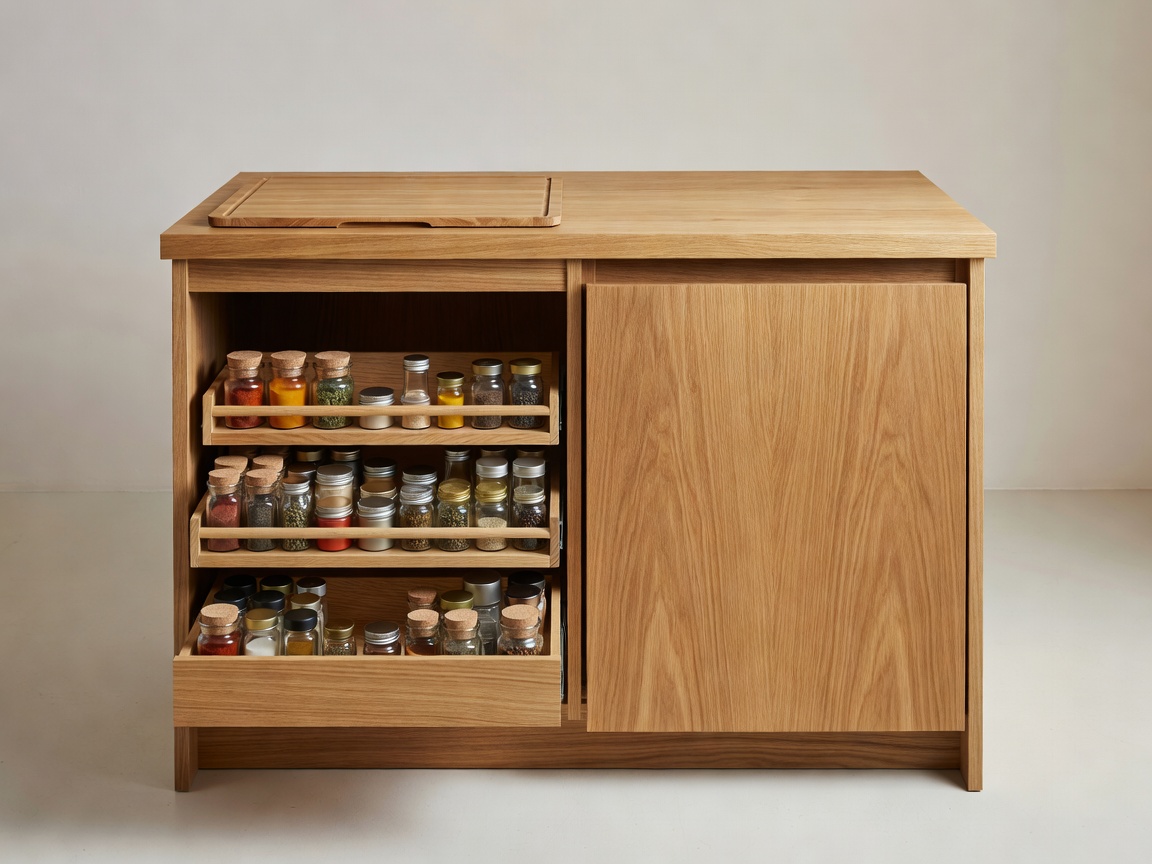
- Deep Heavy Pull-Outs: Heavy canned food, Dutch ovens, and cast iron pans belong in low-level heavy-duty drawers supported by 45 kg rated soft-close locking runners.
- The Rear Garage: Reserve the space under a fixed platform bed for bulky, dirty gear: leveling ramps, shore power cables, camp chairs, hiking boots, and bicycles on fork-mount trays.
- Overhead Cubbies: Ideal for lightweight clothing and soft bedding stored in modular packing cubes that prevent contents from shifting during cornering.
5. Weight Distribution Over the Axles
Commercial vans are designed to carry loads evenly across both front and rear axles. Stacking all your heavy components—freshwater tank, leisure batteries, compressor fridge, and tool chest—onto the passenger side creates a pronounced lateral lean, increases tyre wear on one side, and destabilizes cornering.
Strive for dynamic balance: balance an offside water tank with an nearside battery bank and galley unit, keeping the bulk of the mass centered between the front and rear axles rather than hanging behind the rear bumper.